

Research
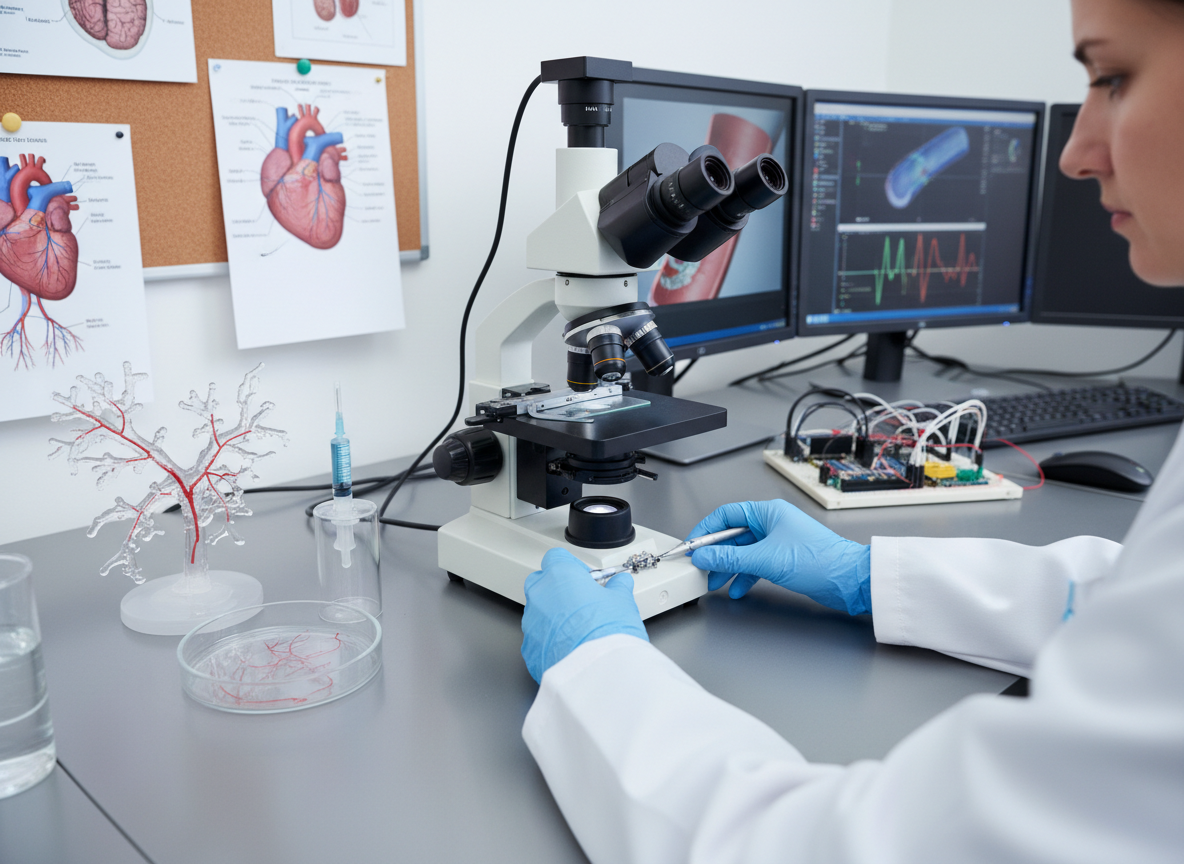
Medical microrobotics is an incredibly interdisciplinary field requiring expertise in drugs, the human body, robotics, materials engineering, microrobot sensing and control, among many others. Researchers at MIRACLE are constantly collaborating to innovate the future of microrobots for applications in clinical and life science engineering. Microrobotics in medicine is of substantial interest in today’s society because it is creating minimally invasive alternatives to procedures and enabling localized delivery of cells and drugs, thereby improving their performance. Learn more about some of our primary research topics below.
Materials Engineering
Biomaterials • Liquid Crystal Elastomers • Hydrogels
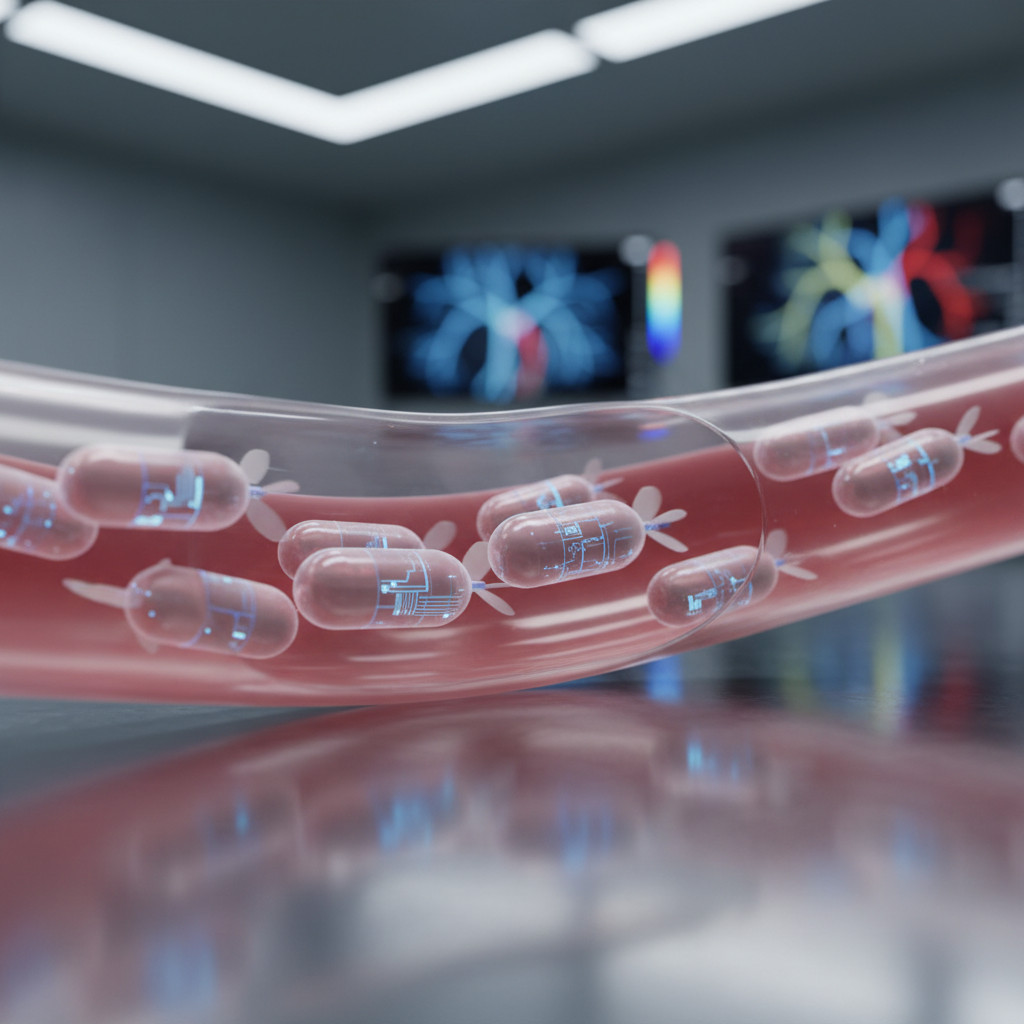
MIRACLE researchers are developing new soft and programmable materials. These materials change in response to stimuli and can be externally manipulated by researchers. One example is liquid crystal elastomers, which can be engineered to reversibly transform into precise structures after they are exposed to light, electric fields or heat. These materials have be used to capture and release eggs for Smart Microrobotics Assisted Reproductive Technology.
Sensing and Actuation
Targeted Therapy • Vascular Navigation • Drug Delivery
MIRACLE researchers are developing wireless magnetic microrobotics which allow for minimally invasive surgery. Novel systems are being created to help better control microrobots and understand their behaviour. These systems also provide better feedback to researchers about the quality of their wireless magnetic actuation systems so they can continue to iterate their designs.
Drug & Cell Delivery
Surgical Microrobotics, Reproductive Technologies, Gastrointestinal and Women’s Reproductive Health
Researchers at MIRACLE are developing new drug and cell delivery mechanisms for a variety of applications. This research requires the development of robots that often assist cells in their function. One example is Smart Microrobotics Assisted Reproductive Technology (SMART). Other systems deliver drugs, enzymes, or physically disrupt a target. These methods are being actively investigated for the dissolution of kidney stones and gallstones.
Featured Projects
Sensing & Actuation
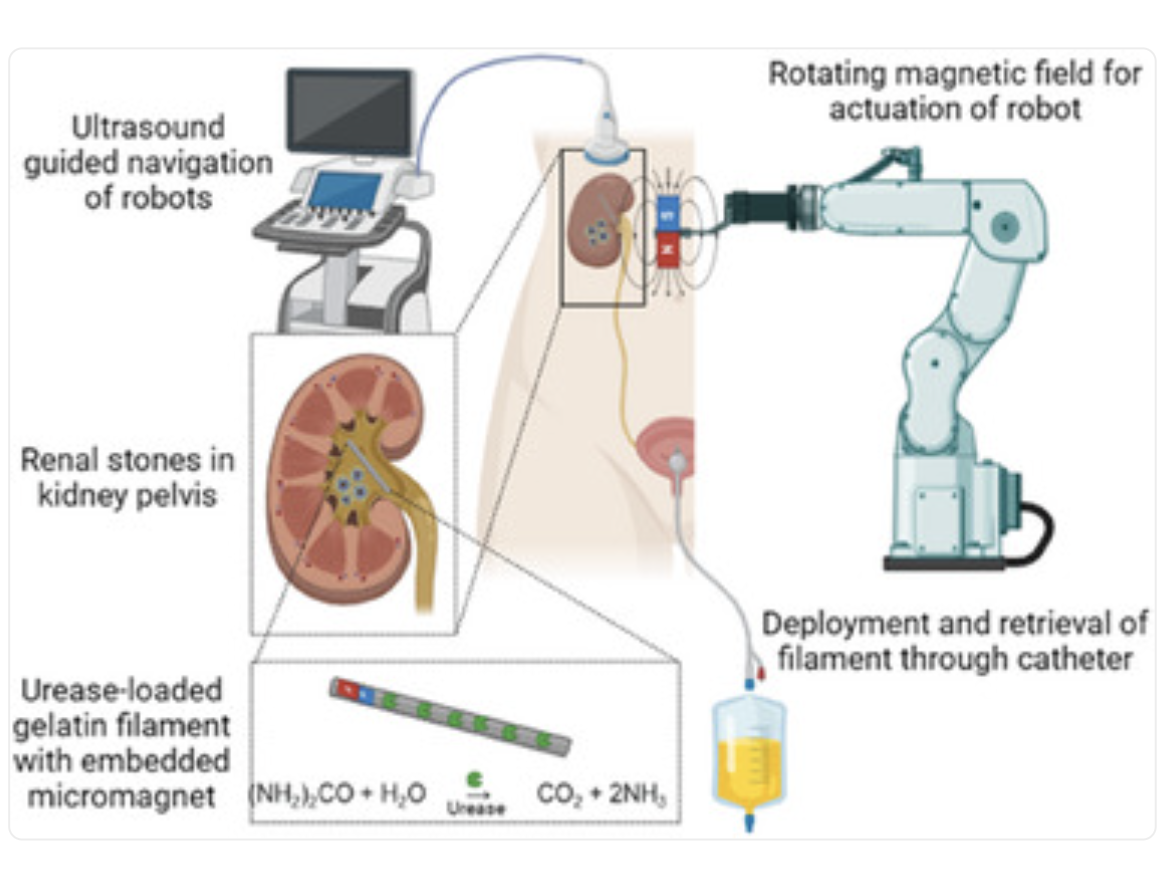
Researchers at MIRACLE have developed a novel minimally invasive approach to kidney stone treatment using tiny, soft magnetic robots designed to deliver an enzyme directly to stones in the urinary tract. The tetherless, urease-loaded robots were guided through a life-size 3D-printed urinary tract model using a magnetically controlled robotic arm, where the enzyme reduced urine acidity and accelerated the dissolution of uric acid stones. Published in Advanced Healthcare Materials in 2025, this work demonstrates the potential of targeted robotic drug delivery to provide faster pain relief and help patients pass kidney stones more naturally, while laying the groundwork for future animal studies and clinical applications.
Soft Robotics for Dissolution of Uric Acid Kidney Stones
Researchers at MIRACLE have developed a novel minimally invasive approach to kidney stone treatment using tiny, soft magnetic robots designed to deliver an enzyme directly to stones in the urinary tract. The tetherless, urease-loaded robots were guided through a life-size 3D-printed urinary tract model using a magnetically controlled robotic arm, where the enzyme reduced urine acidity and accelerated the dissolution of uric acid stones. Published in Advanced Healthcare Materials in 2025, this work demonstrates the potential of targeted robotic drug delivery to provide faster pain relief and help patients pass kidney stones more naturally, while laying the groundwork for future animal studies and clinical applications.
SMART: Microrobotics-Assisted Reproductive Technology
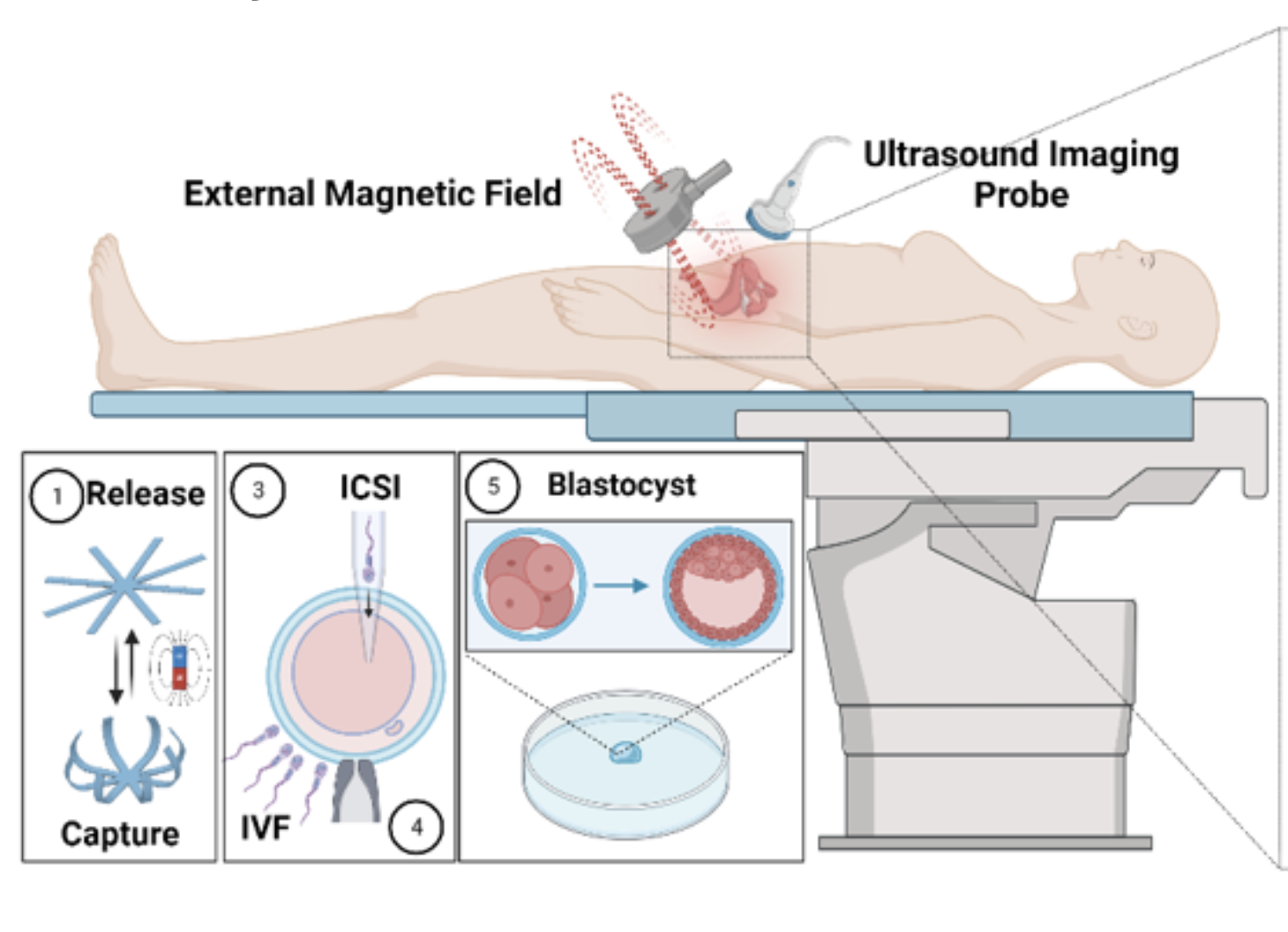
SMART allows for the non-invasive isolation and transfer of eggs and embryos. The technology is based on soft, biocompatible untethered mobile microrobots from advanced smart and programmable materials that can be remotely manipulated by magnetic fields and monitored by established imaging modalities, such as ultrasound. SMART shifts paradigms of conventional ART from tethered and invasive procedures to untethered and non-invasive egg retrieval and embryo transfer.
Sperm-Based Biohybrid Sperm Robots
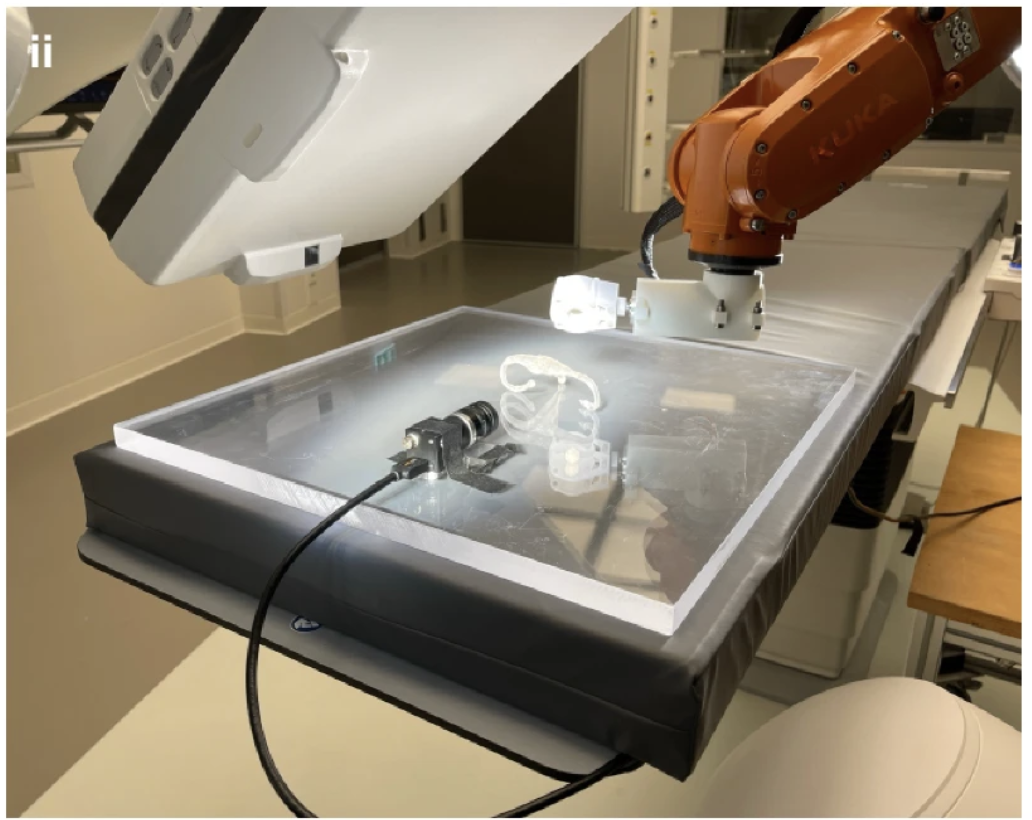
Researchers at MIRACLE developed sperm-based biohybrid microrobots that can be magnetically controlled and tracked using X-ray imaging. By coating sperm cells with magnetic nanoparticles, they enabled these naturally flexible swimmers to respond to magnetic fields and navigate a life-sized anatomical model. Published in npj Robotics in 2025, this research highlights their potential for reproductive medicine, infertility diagnostics, IVF, and targeted drug delivery.

