An ultra-clean, high-tech microrobotics research bench in a clinical engineering lab, photographed in crisp detail. In the center, a stainless-steel petri dish holds several grain‑of‑rice–sized wireless microrobots with metallic shells, tiny flexible antennae, and articulated legs, viewed in sharp macro focus. Around them lie precision tweezers, a glass micro-pipette, and a sleek microscope base, all on a matte white anti-static surface. Cool, diffused overhead LED lighting creates minimal reflections and soft shadows, emphasizing precision and sterility. The background fades into a gentle bokeh of blurred lab instruments and translucent storage containers. Shot from a slightly elevated angle, rule-of-thirds composition, photographic realism, conveying professionalism, innovation, and serious scientific inquiry in clinical microrobotics.

Microrobotic Futures

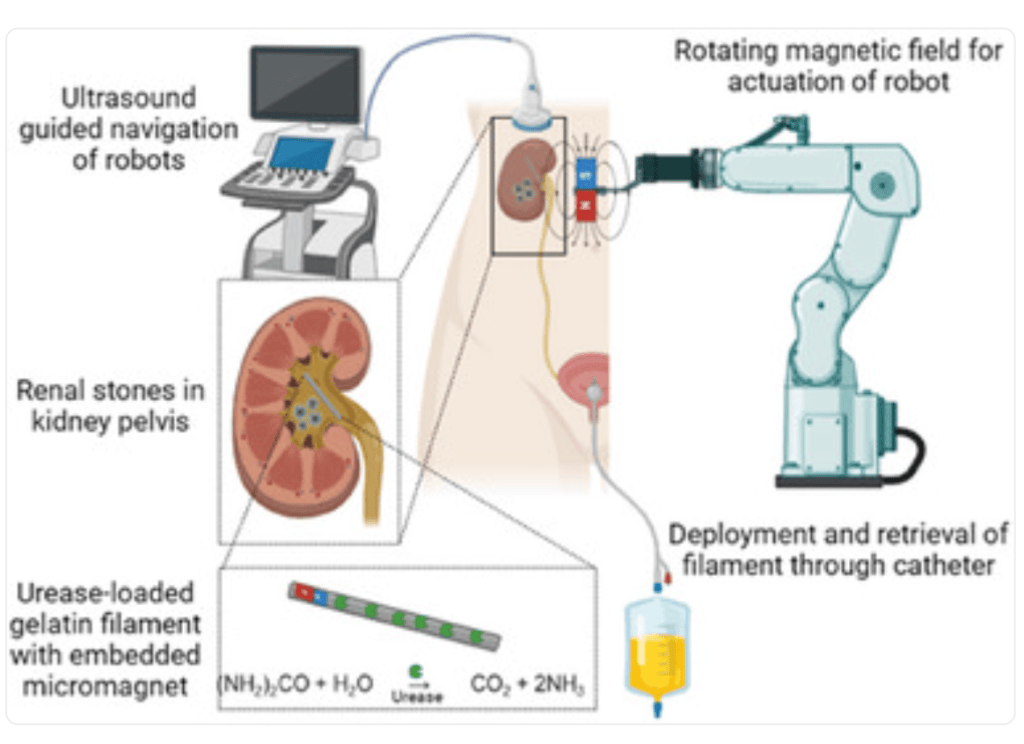
MIRACLE unites Canadian researchers advancing wireless microrobots for precise, minimally invasive interventions across clinical and life science applications.

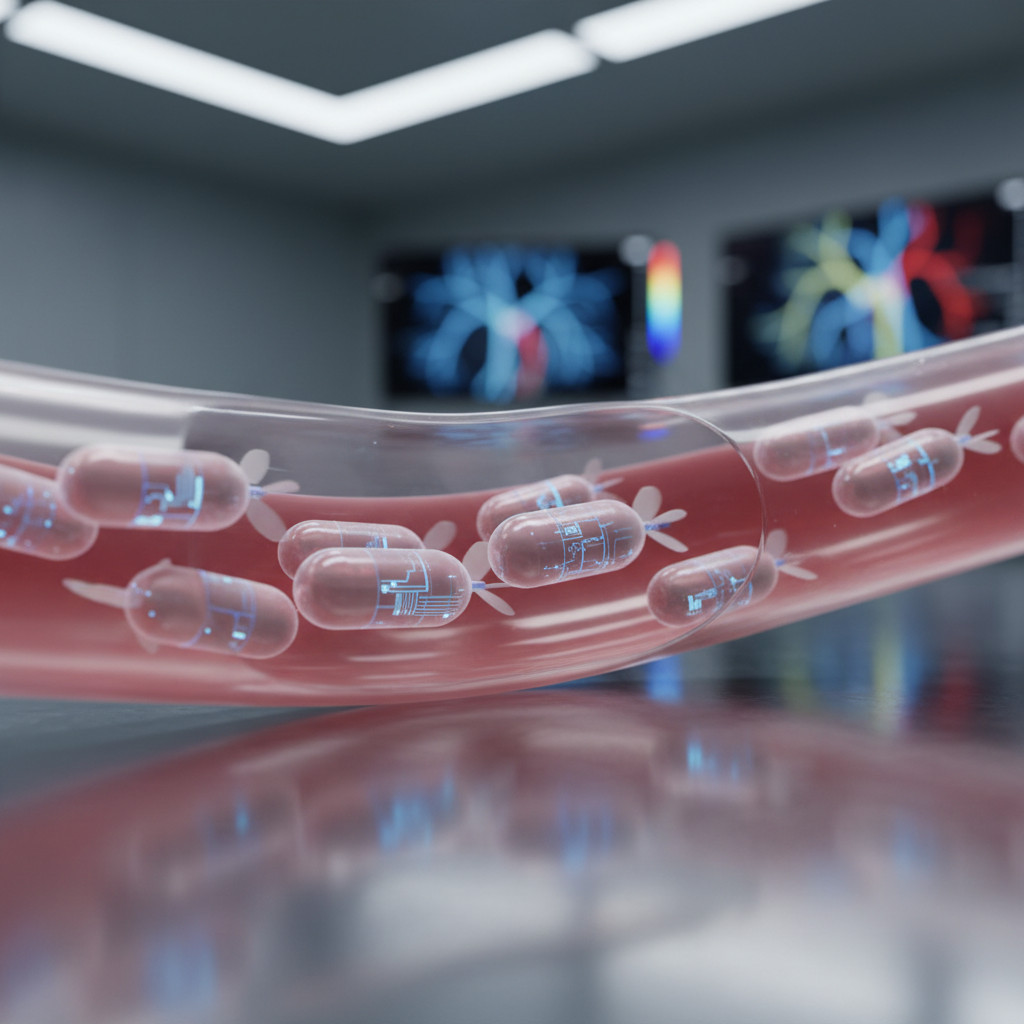
A close-up, photographic view inside a transparent, silicone model of a blood vessel resting on a polished lab platform, with several tiny capsule-shaped microrobots navigating the channel. Each device has a smooth biocompatible coating, faint circuit patterns beneath the surface, and miniature fins suggesting wireless control. Cool white lab lighting from above and a subtle side light reveal the translucency of the vessel and the soft red fluid inside, casting delicate refracted patterns onto the table. In the softly blurred background, medical imaging monitors display abstract, color-coded vascular diagrams without readable text. Captured at eye level with shallow depth of field, the composition feels clinical yet hopeful, highlighting noninvasive, remotely controlled medical intervention research.

Microrobotics for Health Futures

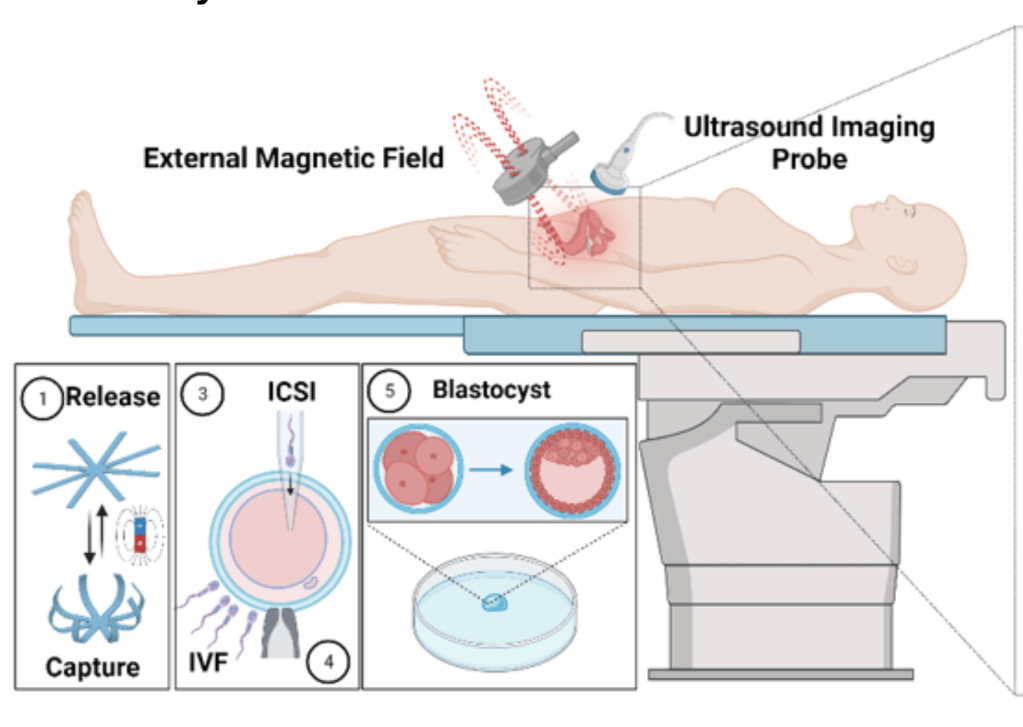
MIRACLE is a Canada-wide initiative connecting engineers, clinicians, and scientists to design wireless microrobots that enable safer diagnostics, targeted therapies, and next-generation minimally invasive procedures.

Research

A sophisticated microrobotics imaging and control workstation in a modern clinical engineering institute, rendered in photographic realism. In the foreground, a glass-covered experimental chamber the size of a tablet contains a clear gel matrix where several insect‑like microrobots are frozen mid-motion, illuminated by fine fiber-optic spotlights from above. A large, bezel-less monitor behind the chamber shows abstract, multicolored trajectories and heat-map overlays with no legible text. The environment features clean white surfaces, brushed aluminum equipment housings, and neatly routed cables, avoiding cluttered stock imagery aesthetics. Soft, cool overhead lighting mixed with a subtle blue accent glow from display screens creates a focused, research-driven atmosphere. Shot from a three-quarter angle, moderate depth of field, communicating advanced control and visualization of microrobotic systems for life science applications.

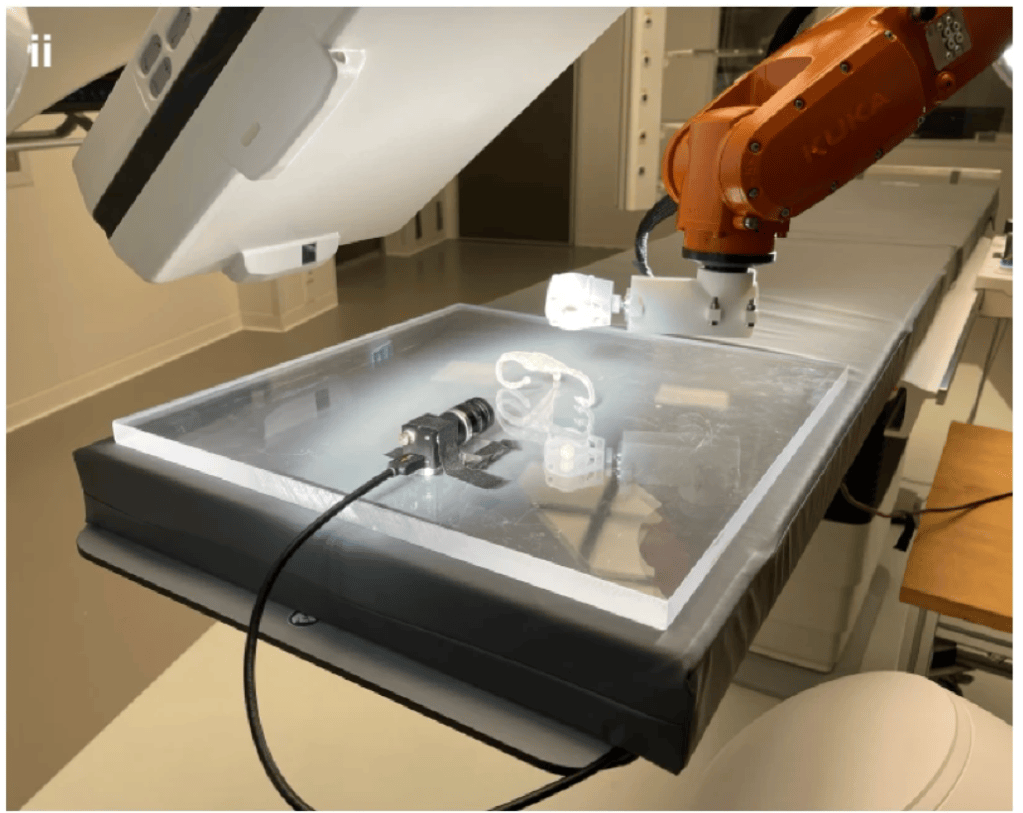
Collaborative projects develop wireless microrobots for targeted delivery, sensing, and actuation within complex biological environments and clinical workflows.

An ultra-detailed macro photograph of a single microrobot designed for targeted drug delivery, resting on the smooth tip of a stainless-steel surgical instrument above a neutral, blurred lab background. The microrobot is no larger than a grain of sand, with a segmented metallic body, micro-coils indicating wireless actuation, and a tiny reservoir compartment with a faint translucent window. A directional, high-key studio light from the upper left creates crisp highlights along its edges and gentle shadows that reveal its intricate geometry, while a softer fill light prevents harsh contrast. The composition uses extreme close-up framing and shallow depth of field to isolate the device, evoking precision, sophistication, and the transformative potential of small-scale clinical technologies.

We coordinate Canada-wide testbeds, standards, and shared facilities, enabling reproducible experimentation and rapid translation of microrobotic technologies toward clinical evaluation.

Contact MIRACLE

Reach out to discuss collaborations, student opportunities, network membership, or institutional partnerships in clinical and life science microrobotics.

← Back

Thank you for your response. ✨

Visit us

University of Waterloo, Waterloo, Ontario, Canada